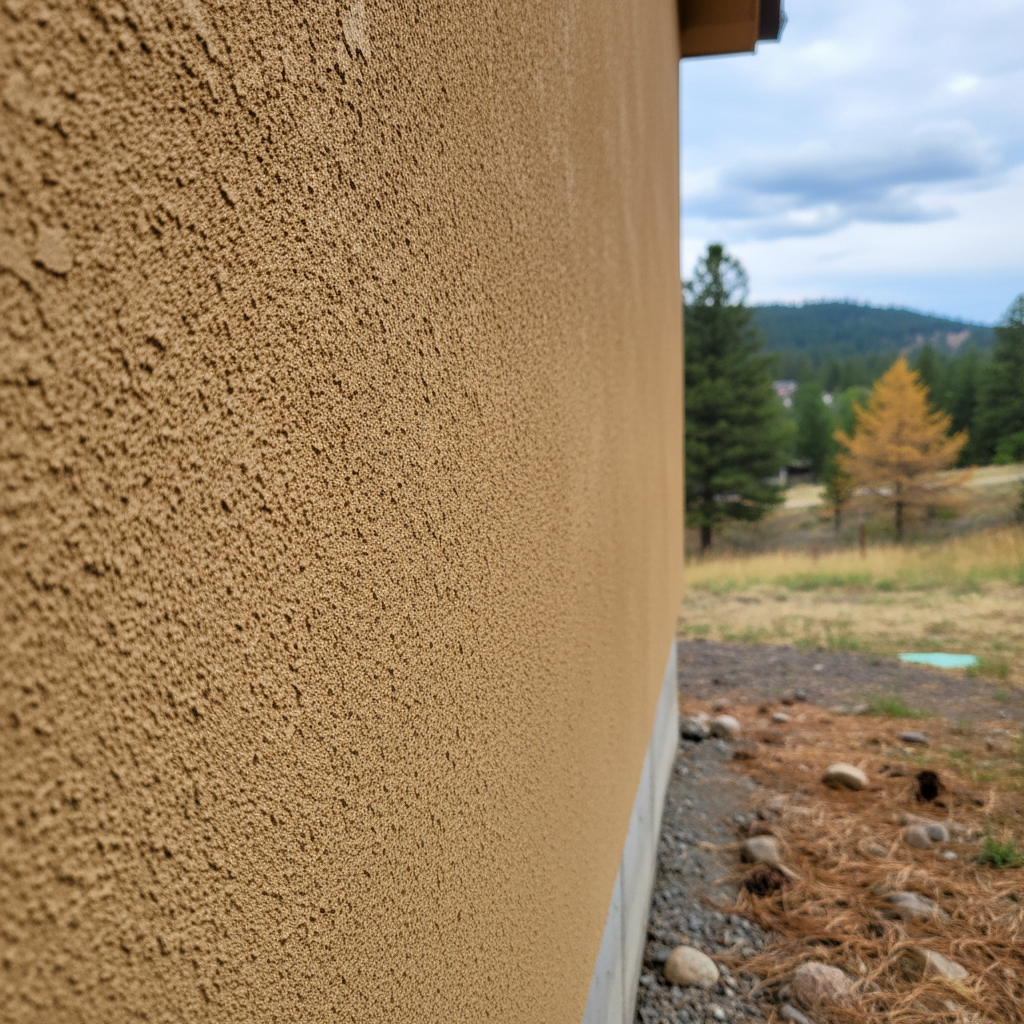
So, you're thinking about painting your house. It's a big job, no doubt about it. I've seen a lot of folks in Missoula try to tackle it themselves, and some do a great job, while others end up wishing they'd just called someone from the start. Let's talk about what you need to know before, during, and after the paint goes on, and when it makes sense to roll up your sleeves or pick up the phone.
Before You Even Think About Paint
This is where most of the critical decisions happen. You wouldn't build a house without a plan, and painting's no different.
The Prep Work: It's 90% of the Job
Seriously, I can't stress this enough. Good prep makes for good paint. Bad prep makes for peeling, cracking, and a whole lot of headaches down the road. Here's what you're looking at:
- Cleaning: You've got to wash the exterior of your house. Pressure washing is usually the way to go, but you need to be careful not to damage the siding or force water into places it shouldn't be. Especially with older homes in areas like the Rattlesnake, where siding might be a bit more delicate, a gentler approach might be needed.
- Scraping and Sanding: Any loose, peeling, or flaking paint needs to come off. Then you'll sand rough edges smooth. This is tedious, back-breaking work.
- Repairing: Fill holes, cracks, and caulk gaps. Don't skip this. Water finds its way into everything, and a good caulk job protects your home.
- Priming: If you're painting over bare wood, patching, or a drastically different color, you'll need primer. It helps with adhesion and uniform color.
Can you do this yourself? Absolutely. But it's time-consuming and physically demanding. If you've got a busy schedule or physical limitations, this is often where people realize they're in over their heads.
Picking Your Paint and Tools
Don't skimp on paint. It's the protective layer for your biggest asset. I always recommend high-quality exterior acrylic latex paints. They hold up better to Missoula's harsh winters and hot summers. As for tools, you'll need brushes, rollers, trays, drop cloths, painter's tape, ladders (and potentially scaffolding for two-story homes), and safety gear.
During the Painting Project
Once the prep is done, the actual painting can be surprisingly quick, especially with a good team. But there are still things to keep in mind.
Weather Watch
Painting outside in Missoula means keeping an eye on the forecast. You don't want to paint when it's too hot, too cold, or when rain is expected. Ideal conditions are usually between 50-85 degrees Fahrenheit, with low humidity and no wind. A sudden afternoon thunderstorm can ruin a fresh coat of paint if you're not careful.
Application Techniques
Whether you're brushing, rolling, or spraying, technique matters. You want even coats, no drips, and good coverage. Two thin coats are almost always better than one thick one. If you're spraying, you'll need to be extra diligent with masking off windows, landscaping, and anything else you don't want painted.
This is where the difference between a DIY job and a professional one often becomes visible. Pros have the experience to get a smooth, consistent finish quickly and efficiently.
After the Last Brush Stroke
You're not quite done when the paint's dry. There's still a bit of cleanup and ongoing maintenance.
Cleanup and Inspection
Remove all tape, roll up drop cloths, and clean your tools. Do a thorough walk-around inspection. Look for any missed spots, drips, or areas that need touch-ups. A good professional painter, like us at Missoula Painting, will do this with you to ensure you're completely satisfied.
Long-Term Care
To make your paint job last, keep the exterior clean. A gentle wash every few years can do wonders. Also, keep an eye out for any small areas of peeling or cracking. Catching these early and touching them up can prevent bigger problems down the line.
So, DIY or Pro?
Look, if you've got the time, the tools, the physical ability, and a good head for detail, painting your own home can be a rewarding experience. You'll save money on labor, and there's a certain satisfaction in doing it yourself.
However, if you're short on time, uncomfortable on ladders, don't want to buy all the specialized equipment, or simply want a guaranteed professional finish that will last, then hiring a pro is absolutely worth the investment. We've got the experience, the right tools, and the know-how to get the job done right, safely, and efficiently. Plus, you won't spend your weekends scraping paint chips off your face.
It really comes down to your personal situation and what you value more: your time and effort, or a professional, worry-free result.