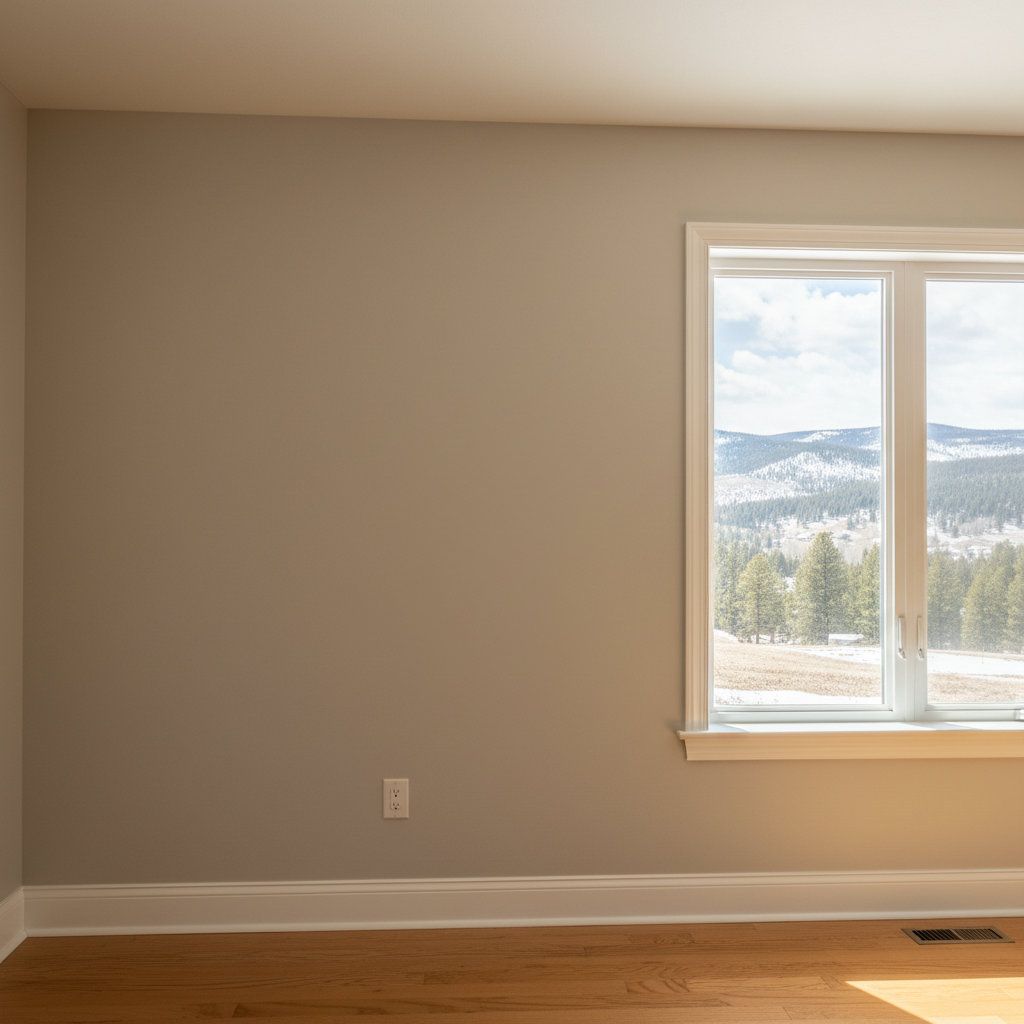
You just invested in a fresh coat of paint for your home, maybe you had Missoula Painting do the work, or you tackled it yourself. Either way, you want that crisp, new look to last, right? It's not just about the initial application; it's about what you do afterward. Think of it like taking care of your car after a fresh detail – a little maintenance goes a long way.
Extend Your Paint's Lifespan: Simple Habits
The biggest thing you can do to make your interior paint last is to be mindful of how you treat your walls. It sounds obvious, but you'd be surprised. For starters, avoid banging furniture against them. I've seen countless scuffs and dings that could've been prevented with a little care when moving things around. Use furniture pads if you're rearranging often. Also, be careful with kids' toys – those plastic cars and blocks can leave some nasty marks.
Another big one, especially in Missoula where we get some serious temperature swings and dry air, is managing humidity. Extreme dryness can make paint brittle over time, leading to tiny cracks, especially around trim and corners. On the flip side, too much humidity can lead to mildew, particularly in bathrooms and kitchens. A good exhaust fan in those areas is crucial. If your house feels really dry in the winter, a humidifier can help keep the air (and your paint) from getting too parched.
Finally, protect your walls from direct sunlight where you can. UV rays, even indoors, can fade colors over time. If you have south-facing windows that get blasted with sun all day, consider curtains, blinds, or even UV-blocking window films. It'll save your paint color and your furniture from fading.
Regular Maintenance: Keep It Clean
This is where most folks drop the ball. You don't need to scrub your walls every week, but a little routine cleaning makes a huge difference. Dust them! Just like you dust your furniture, your walls collect dust. A soft cloth or a vacuum with a brush attachment works great. Do this a few times a year, especially in high-traffic areas.
For actual dirt or smudges, gentle is the name of the game. Most modern interior paints are washable, but that doesn't mean you should go at them with harsh chemicals. A soft sponge or cloth with a little warm water and a tiny bit of mild dish soap is usually all you need. Always test in an inconspicuous spot first, like behind a door or a piece of furniture, to make sure it doesn't affect the finish or color. Don't scrub too hard; you can actually rub the paint right off if you're not careful. Pat dry afterward to prevent water streaks.
Keep a small can of your original paint handy. For minor scuffs or chips, a quick touch-up can make the wall look brand new. Just make sure the surface is clean and dry before you dab on the paint. If you don't have extra paint, a magic eraser can work wonders on scuffs, but again, test it first and use it gently, as it's an abrasive.
Warning Signs: When to Pay Closer Attention
Your walls will tell you when something's not right. Don't ignore these signals. Peeling or flaking paint is a big red flag. This usually means there's a moisture issue, either from inside the wall (like a leaky pipe) or from high humidity that didn't get vented properly. You might see this more often in older homes in areas like the Rattlesnake, where foundations can shift and moisture can sneak in.
Bubbling or blistering paint also points to moisture, or sometimes, an issue with the paint not adhering properly due to a dirty surface when it was applied. Discoloration, especially yellowing or dark spots, can indicate water damage, smoke damage, or even mold growth. Don't just paint over these problems; you need to address the root cause first, or they'll just come back.
Cracks, especially hairline ones, are pretty common, especially with our shifting soils and older homes. If they're small and isolated, a touch-up might do. But if you see large, spreading cracks, or cracks that run through multiple walls or ceilings, that could be a structural issue, and you'll want to get that checked out by a professional.
When to Call a Professional
Look, you can handle a lot of this stuff yourself. But there are times when it's just smarter to bring in someone who does this for a living. If you're seeing widespread peeling, bubbling, or significant cracking, that's beyond a simple DIY fix. Trying to patch over major moisture damage without fixing the leak first is just throwing money away.
If you've got mold or mildew that's more than just a surface spot, or if you're unsure about the cause of any discoloration, a pro can diagnose the problem and recommend the right course of action. Sometimes, it's not just about painting; it's about repairing the underlying issue. And if you're just plain tired of looking at faded, dingy walls and want a complete refresh, don't hesitate to call us at Missoula Painting. We can assess the condition of your current paint, prep the surfaces properly, and apply a fresh coat that'll stand up to the test of time and Missoula's climate.
Taking care of your interior paint isn't a huge chore. A little attention now and then will keep your home looking great for years, protecting your investment and making your living space more enjoyable.