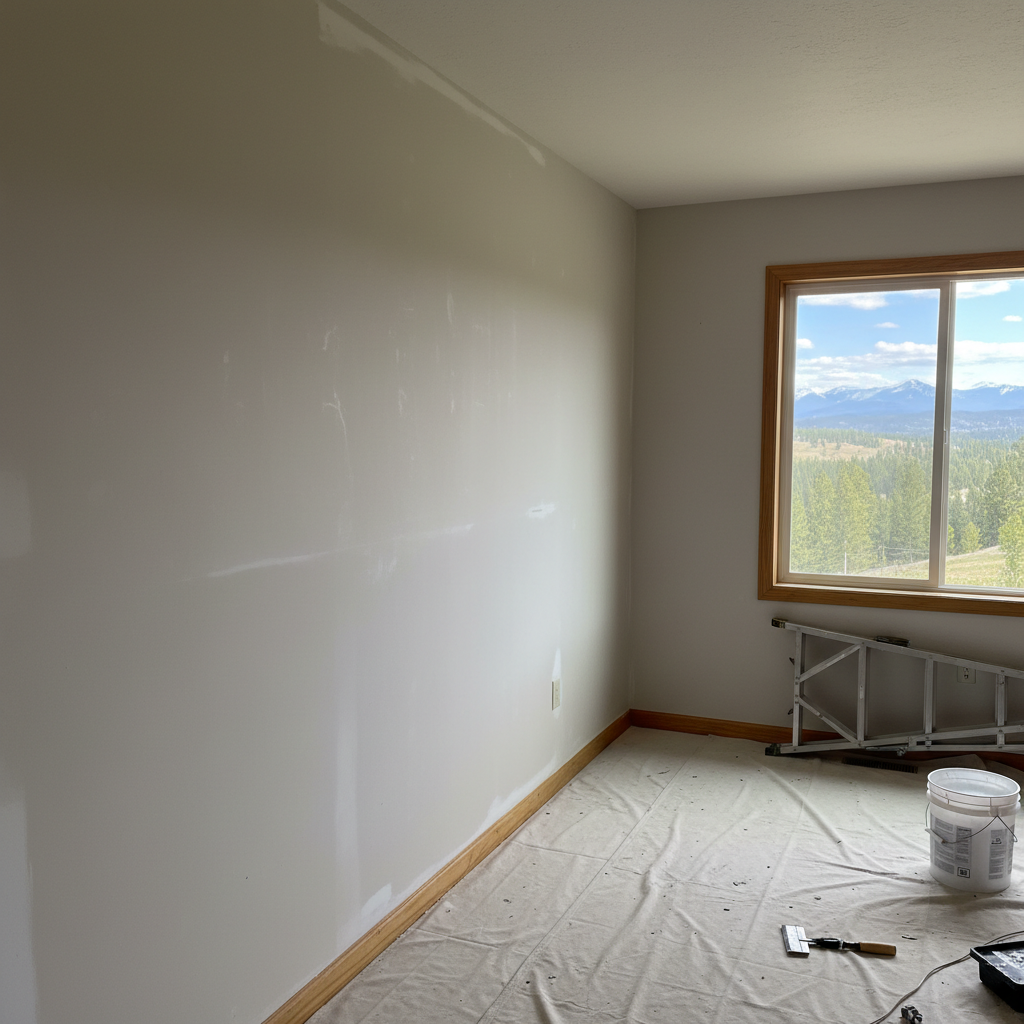
So, you finally got rid of that old wallpaper, huh? Or maybe you're just thinking about it. Good for you! It's a huge undertaking, and once it's done, you want those walls to look great for years. But what actually happens after the paper's gone and the new paint's up? That's where keeping things up comes in, especially here in Missoula. Our dry summers and cold winters? They really put your home's surfaces to the test.
Making Your Wallpaper-Free Walls Last Longer
The single most important thing you can do to keep your walls smooth and beautiful after wallpaper removal is to prepare them correctly. Honestly, I can't emphasize this enough. If you or your contractor didn't get all the adhesive off, or if they just skim-coated over a rough surface without proper sanding, you're going to run into trouble later. We've seen it countless times: people try to cut corners, and then a year or two down the road, they're calling us because the paint is bubbling or peeling. What a headache!
Another crucial step is using good quality primers and paints. A solid primer, especially one that blocks stains and builds up a bit, does a lot of the heavy lifting. It seals any leftover paste, helps hide small flaws, and gives your topcoat a strong base to stick to. Don't cheap out here. As for paint, pick a durable, washable finish like an eggshell or satin, particularly in busy areas. Flat paint might hide a few more bumps, sure, but it won't hold up to cleaning or the general wear and tear of a lively household.
Controlling your home's humidity also plays a huge part. Our Missoula climate swings wildly, doesn't it? We get those really dry, hot summers, then damp, cold winters. These big changes can make walls expand and contract ever so slightly. If your home's humidity is all over the place, it stresses the paint film and the wall surface underneath. A good humidifier in winter and a dehumidifier in summer can really help prevent cracks and delamination, especially in older homes with plaster walls.
Keeping Your Smooth Walls in Shape
Maintaining your newly smooth walls isn't brain surgery, but it does need a little bit of attention. Mostly, it's about keeping them clean and checking them now and then.
- Clean Gently: For everyday dust and grime, a soft cloth or a duster works wonders. If you have smudges or marks, use a damp sponge with a very mild, non-abrasive cleaner. Always test it somewhere hidden first. You really don't want to scrub too hard, especially with a lower sheen paint, because you could create shiny spots or even remove paint.
- Watch for Moisture: Pay attention to places that get damp, like bathrooms, kitchens, or walls near windows. If you see condensation building up, deal with it. Good ventilation is key.
- Seasonal Checks: I always suggest doing a quick walk-through of your home's interior walls a couple of times a year, maybe in spring and fall. Just look for anything out of the ordinary.
Signs of Trouble
You need to know what to look out for. Catching small problems early can save you a ton of grief and money later on. Here are some red flags:
- Bubbling or Blistering Paint: This is a classic sign that moisture is getting under the paint film, or sometimes, leftover wallpaper paste is reacting with the new paint. It often starts small and can grow.
- Peeling or Flaking: If paint is actually coming off the wall, that's a sign of poor adhesion. This could be from bad surface prep, too much moisture, or even just old paint that's lost its bond.
- Cracks: Hairline cracks are pretty common, especially in older homes as they settle. But if you see cracks getting wider, or if they're showing up in new places, it might point to structural movement or significant moisture issues.
- Discoloration or Stains: Yellowish or brownish stains often mean there are water leaks from above or behind the wall. Don't ignore these; they usually signal a bigger problem lurking.
- Rough or Bumpy Patches Reappearing: If you had a lot of skim-coating done to smooth out the walls after wallpaper removal, and you start seeing bumps or texture coming back, it could mean the skim coat wasn't put on right or there's an issue with the surface underneath.
When to Call a Pro
Look, sometimes a DIY fix is totally fine. A small scuff or a tiny crack you can patch and paint over? Go for it. But there are definitely times when you need to bring in someone who knows what they're doing. If you see any of the serious warning signs I just mentioned – widespread bubbling, significant peeling, ongoing moisture issues, or large, growing cracks – it's time to call a professional. These aren't just cosmetic problems; they can point to deeper issues with your home's structure or how it handles moisture.
Also, if you're not comfortable tackling a repair yourself, or if you don't have the right tools and experience to match textures and paint perfectly, that's when you call us. We've got the expertise to figure out the root cause of the problem and fix it right the first time. Sometimes, a small repair can turn into a big mess if it's not handled correctly. At Missoula Painting Company, we've seen it all, and we're always happy to give you an honest assessment of what your walls need to look their best and stay that way.