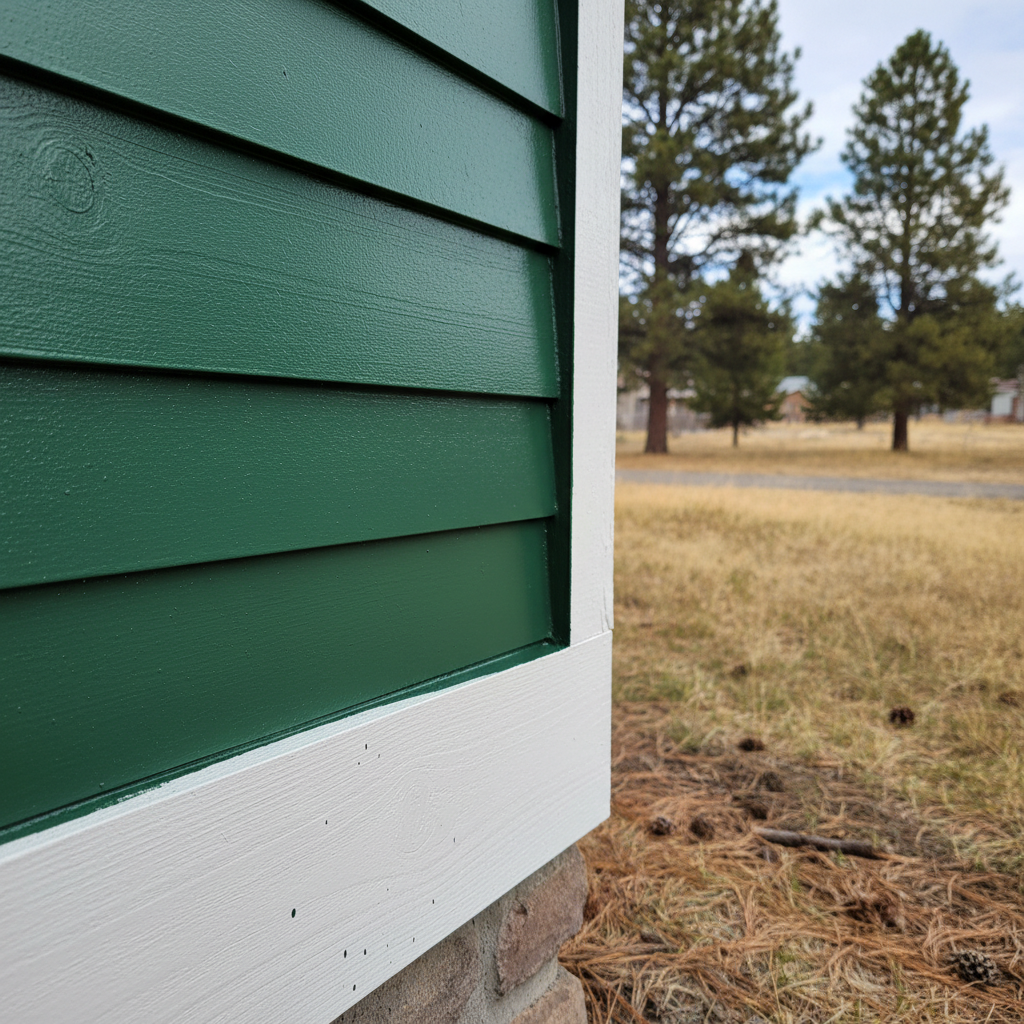
So, you're looking at your house and thinking it's time for a fresh coat of paint. Good call! Exterior painting isn't just about making your place look sharp; it's really about protecting your biggest investment from our crazy Missoula weather. We get everything here, from scorching summers to freezing winters, sometimes with hail thrown in just for fun. That paint job? It's your home's first line of defense.
A lot of folks wonder what they can realistically tackle themselves and when it makes sense to bring in a professional painting crew. Let's break it down, looking at what happens before, during, and after the brushes come out.
Before You Even Think About Paint
This is where most homeowners can really shine – and save some cash. Good prep work, honestly, is probably 75% of a successful paint job. You could have the best paint in the world, but if the surface isn't ready, it just won't last. Trust me on this one.
- Cleaning is Key: You wouldn't paint over a dirty car, right? Same goes for your house. Grab a pressure washer, or even just a good scrub brush and a hose, and get all that dirt, grime, mildew, and loose paint off. Pay extra attention to the north-facing sides of your house, especially if you're in a shadier spot like the Rattlesnake Valley. They tend to collect more mildew, don't they? Let it dry completely, usually a day or two, before you do anything else.
- Scraping and Sanding: Any loose, peeling, or flaking paint absolutely has to go. Use a good scraper. Then, sand down the edges of the old paint so you don't end up with a harsh line showing through your new coat. This takes time, patience, and a bit of elbow grease, sure, but it's crucial for a smooth finish.
- Repairing Damage: Got cracks in your siding? Rotted trim? Nail pops? You've got to fix that stuff *before* painting. Caulk small cracks and gaps around windows and doors. For bigger holes or rotten wood, you might need wood filler or even to replace sections of trim. If carpentry isn't your thing, this might be a good spot to call a handyman, or even us if it's part of a larger painting project.
- Priming: If you've scraped down to bare wood, or if you're painting over a stained surface or a very dark color with a lighter one, you'll definitely need to prime. Primer helps the topcoat stick better, blocks stains, and gives you a nice, uniform base. Don't skip it where it's needed.
So, cleaning, scraping, sanding, and minor repairs? That's all totally doable for most homeowners. It's tedious, yes, but it's not rocket science. It's also a fantastic way to save on labor costs.
During the Painting Process
This is where the line between DIY and hiring a pro gets a little blurrier. You can absolutely paint your own house, but it's a big job, especially if you have a multi-story home or complex architectural details.
- Safety First: Ladders are no joke. If you're not comfortable on a tall ladder, or if you have to reach tricky spots, that's a good sign to call someone. We've got the right equipment and training to work safely at heights.
- Application Method: Brushing and rolling are straightforward enough for most folks. But if you're thinking about spraying, well, that's a different beast entirely. Spraying needs skill to get an even coat without drips or overspray, and it requires a lot more masking. For a clean, professional finish, spraying is usually best left to the pros.
- Paint Quality: Don't skimp on the paint. Seriously. A higher-quality exterior paint will last longer, cover better, and resist fading and cracking. It's an investment that pays off in the long run. We often use paints specifically made to withstand harsh Montana elements, which might be a bit pricier but perform so much better.
- Cutting In and Details: Getting clean lines around windows, doors, and trim takes a steady hand and practice. If you're a perfectionist, you might find this part incredibly frustrating.
If you've got a single-story home with relatively simple siding, you can probably handle the painting yourself. But if your house is tall, has lots of intricate trim, or you just don't have the time or patience, that's when you call Missoula Painting. We're set up to do this efficiently and safely, and we guarantee our work.
After the Paint Dries
Once the paint is on and dry, you're not entirely off the hook, but this part is much easier.
- Inspection: Walk around your house and admire your (or our) handiwork. Look for any spots that might have been missed, drips, or areas that need a touch-up. It's always easier to fix small issues early on.
- Clean Up: Properly dispose of paint cans and materials. Clean your brushes and rollers if you plan to reuse them.
- Maintenance: Your new paint job isn't bulletproof, you know. Give it a gentle wash every couple of years to remove dirt and mildew. This helps keep it looking fresh and extends its life. Just a light pressure wash or a soft brush with some mild detergent will do the trick. Keep an eye out for any small cracks or chips that might appear over time and address them promptly. Catching issues early prevents them from becoming bigger, more expensive problems down the road.
Ultimately, whether you DIY or hire a pro really depends on your comfort level, your skill, how much time you have, and the complexity of the job. For the prep work, you can save a lot by doing it yourself. For the actual painting, especially on larger or more challenging homes, bringing in a team like Missoula Painting can be worth every penny for the professional finish.