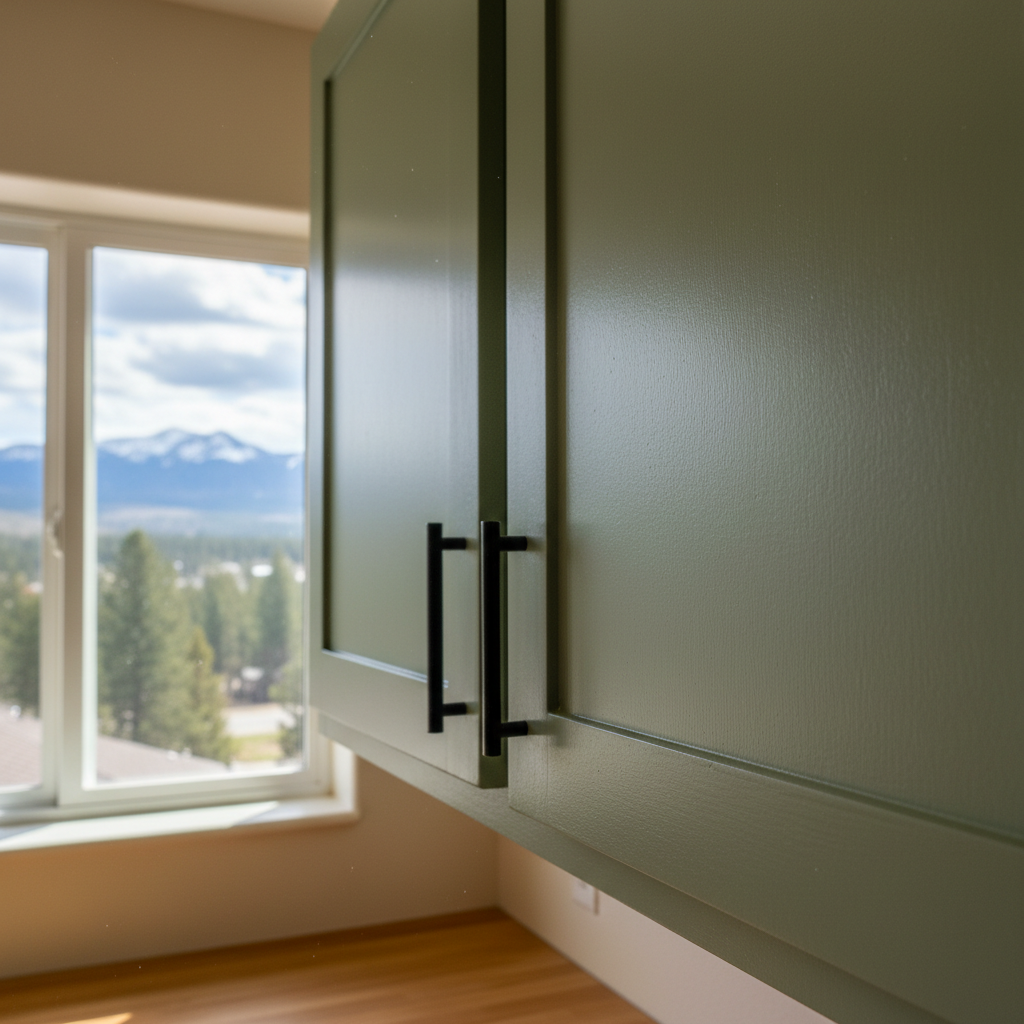
Thinking About Painting Your Kitchen Cabinets?
So, you're eyeing those kitchen cabinets and thinking, "Hey, I could totally paint those myself." I hear that a lot, and you know what? Sometimes you absolutely can. Other times, though, it's a recipe for major frustration and a finish that just doesn't hold up. I've been in more Missoula kitchens than I can count, fixing up DIY jobs and, well, doing it right the first time. Let's chat about what you really need to know before you even think about picking up a brush.
Before You Start: Time for a Reality Check
First off, be honest with yourself about your skill level and how much patience you've got. Painting cabinets isn't like painting a wall, not by a long shot. It's detailed, it's finicky, and it takes time. A whole lot of time. You're not just slapping on a coat of paint here; you're trying to create a durable, smooth surface that has to put up with daily abuse. If your cabinets are currently stained wood, especially oak with its deep grain, getting a perfectly smooth, modern painted finish is a completely different ballgame than just painting over existing paint.
You'll also need a dedicated, dust-free space. I'm talking about taking over your garage or a spare room for a good week or two, maybe even longer. You'll be sanding, priming, and painting, and any dust floating around will settle right on your wet paint, totally ruining that smooth finish you're chasing. That's a big one people often miss. Oh, and consider the type of paint. Don't just grab any old latex paint. You need a high-quality cabinet enamel, something designed for durability and a really hard finish. I usually lean towards a water-based acrylic-urethane enamel myself; it's super tough and gives a great smooth look.
The "During" Part: It's All About the Prep
This is where most DIY cabinet painting projects go sideways. Prep work is 90% of the job, seriously. If you skimp here, it doesn't matter how good your paint is; it's gonna look bad and fail fast. Here's a quick rundown of what proper prep involves:
- Remove everything: Take off all the doors, drawer fronts, and hardware. Label everything meticulously. Trust me, you do not want to be guessing which hinge goes where later.
- Clean, clean, clean: Kitchen cabinets are greasy. You need to thoroughly degrease them with a strong cleaner like TSP (trisodium phosphate) or another good degreaser. Rinse really well. Any grease left behind will stop your primer from sticking.
- Sand: Lightly sand all surfaces. This isn't about stripping off the old finish; it's about creating a little texture for your primer to grab onto. Use a fine-grit sandpaper (180-220 grit). Don't skip this step.
- Prime: Use a high-quality bonding primer. This is absolutely critical, especially if you're going from stained wood to paint. It creates a barrier and makes sure your topcoat sticks. Two thin coats are always better than one thick one.
- Fill and caulk: Fill any dings or imperfections with wood filler. Caulk any gaps where cabinet boxes meet. This makes a huge difference in the final look, you know?
After all that, you're finally ready to paint. And you'll need at least two, probably three, thin coats of your chosen cabinet enamel. Sand lightly between coats with a very fine grit (320-400) to keep things smooth. This is where a professional sprayer really shines, giving you that factory-smooth finish that's tough to get with just a brush and roller, especially on flat panel doors.
After the Paint Dries: You Need Patience
Once your last coat is on, you can't just throw everything back together. Cabinet paints, especially those durable enamels, need time to cure. This isn't just about being dry to the touch; it's about the paint hardening to its full durability. That can take anywhere from a week to a month, depending on the product and how humid it is. In Missoula, with our dry summers, it might cure a bit faster, but don't rush it. If you put doors back on and start using them too soon, you risk chipping, scratching, and sticking. Be gentle with them for the first few weeks.
When to Call the Pros (Like Missoula Painting Company)
Look, I'm all for DIY. That's how I got started, after all. But there's a point where the time, effort, specialized equipment, and skill needed for a truly professional, long-lasting cabinet finish make it worth calling someone like us. If your cabinets are high-end, have intricate details, or you're really aiming for a flawless, factory-like finish, a pro is your best bet. We've got the spray equipment, the dust control, and the experience to make sure your cabinets look amazing and last for years. We also know how to handle the inevitable surprises, like an old oil-based finish that needs a special primer or a particularly stubborn stain.
If you're on a tight budget, have older, simpler cabinets, and are okay with a more "hand-painted" look, then go for it. Just know what you're getting into. If you want that perfect, durable finish that'll make your kitchen feel brand new, give Missoula Painting Company a call. We're happy to talk through your options and give you an honest assessment of what it takes.