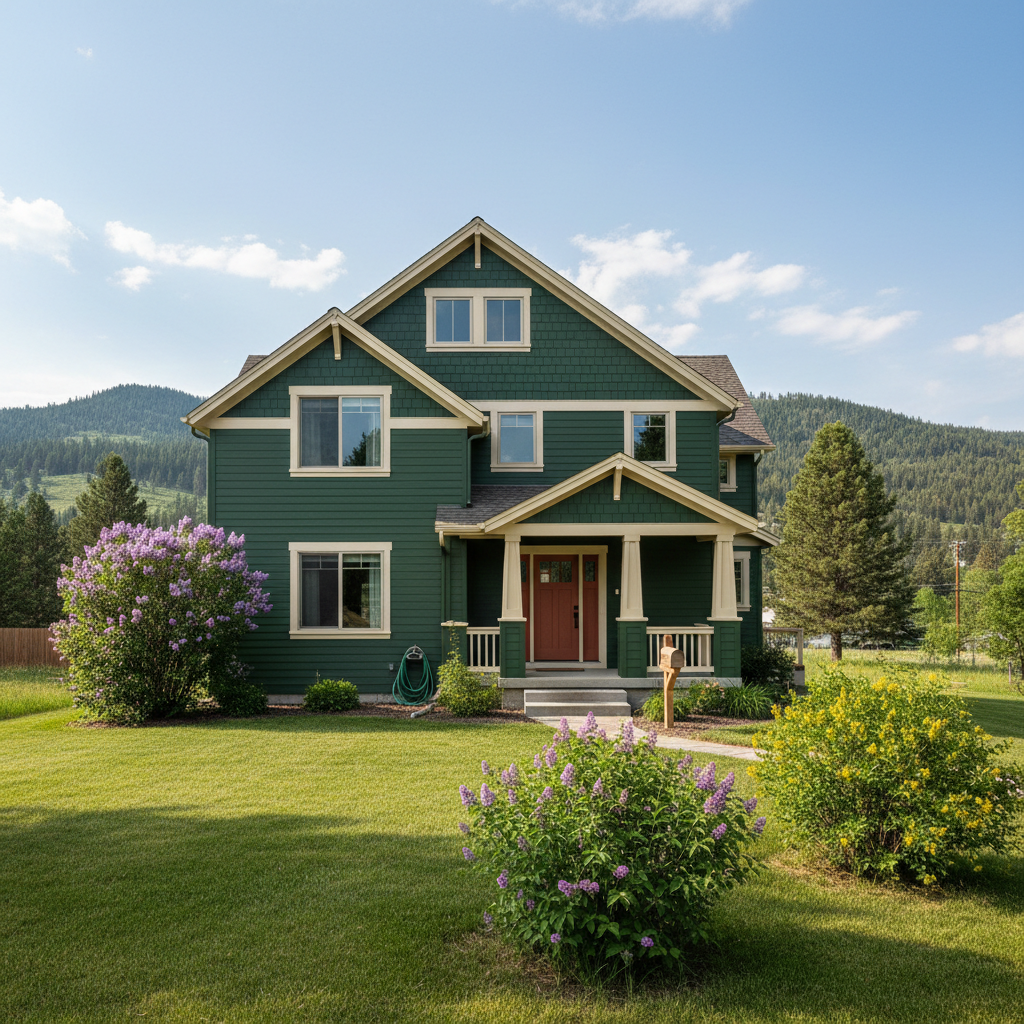
Planning Your Missoula Exterior Paint Project
So, you're ready to give your Missoula home a fresh coat of paint. That's a big decision, and a smart one for protecting your investment. But before you jump in, there's a bit of planning involved. I've seen a lot of exterior paint jobs over the years, and a well-planned project always goes smoother for everyone involved. Here's what you need to know to get started.
When to Start Planning & What to Expect
The best time to paint exteriors here in Missoula is usually late spring, summer, and early fall. Our shoulder seasons can be tricky with unpredictable rain and temperature swings. If you're aiming for a summer paint job, you should really start planning in late winter or early spring. Good contractors, like us at Missoula Painting Company, book up fast, especially for prime summer slots when the weather is consistently dry and warm.
Once you've got a contractor lined up, here's a general idea of what the process looks like:
- Initial Consultation & Estimate: We'll come out, look at your house, discuss your vision, and give you a detailed quote. This is where we talk about paint types, colors, and any necessary repairs.
- Color Selection: This can take a bit. Don't rush it. Get samples, paint them on a small, inconspicuous area, and see how they look in different light throughout the day.
- Scheduling: Once you've signed the contract and picked your colors, we'll get you on the calendar. We'll give you an estimated start and completion date, but remember, weather can always throw a wrench in things.
- Prep Work: This is arguably the most important part. It includes power washing, scraping loose paint, sanding, patching holes, caulking gaps, and priming. A good prep job is what makes the paint last.
- Painting: We'll apply the primer (if needed) and then the finish coats. This usually involves spraying and back-rolling or brushing, depending on the surface and paint type.
- Clean-up & Final Walk-through: We'll clean up all our equipment and debris. Then, we'll do a walk-through with you to make sure you're happy with everything.
How to Prepare Your Home for Painting
You've hired the crew, the start date is set. Now it's your turn to do a few things to make our job easier and keep your property safe:
- Clear the Perimeter: Move patio furniture, grills, planters, garden hoses, and anything else that's within 5-10 feet of your house.
- Trim Landscaping: If you have bushes or trees touching your house, trim them back. This gives us room to work and helps prevent paint splatter on your plants.
- Secure Pets: Keep your pets indoors or in a secure, enclosed area away from the work zone. We'll have ladders, equipment, and people moving around.
- Address Windows & Doors: Make sure all windows are closed and locked. If you have storm windows, decide if you want them removed and reinstalled by the painters or if you'll handle it. Remove any delicate window treatments or decorations from inside windows that might be affected by vibrations.
- Inform Neighbors: It's a good idea to give your immediate neighbors a heads-up that painting will be happening. There will be some noise and activity.
- Parking: Clear space in your driveway or on the street for our vehicles and equipment.
Questions to Ask Before Signing a Contract
Don't just go with the cheapest bid. Ask questions. Any reputable contractor will be happy to answer these:
- Are you licensed and insured? This is non-negotiable. Ask for proof of liability insurance and workers' compensation.
- What kind of paint do you use, and why? We'll recommend specific products based on your home's siding, sun exposure (especially important on the west side of homes in the Rattlesnake Valley), and your budget.
- What's included in the prep work? Get specifics on power washing, scraping, sanding, priming, and caulking.
- How many coats of paint will you apply? Two finish coats are standard for most exterior jobs.
- What's your warranty? A good contractor stands behind their work.
- How do you handle unforeseen issues? Sometimes we uncover rot or other damage during prep. Understand how those extra costs are managed.
- What's the payment schedule? A reputable contractor won't ask for 100% upfront.
- Can you provide references? And actually call them!
- What's your estimated timeline? Again, weather can change this, but they should give you a reasonable estimate.
Asking these questions helps you understand exactly what you're getting and ensures you're working with a professional. A good exterior paint job is a significant investment, and it protects your home for years to come. Take the time to plan it right.